

Fast Data Collection
Drones are a faster and safer alternative to traditional land-based surveying methods in construction projects. They can complete survey work in 60% to 70% less time and eliminate risks to personnel in rugged terrain.
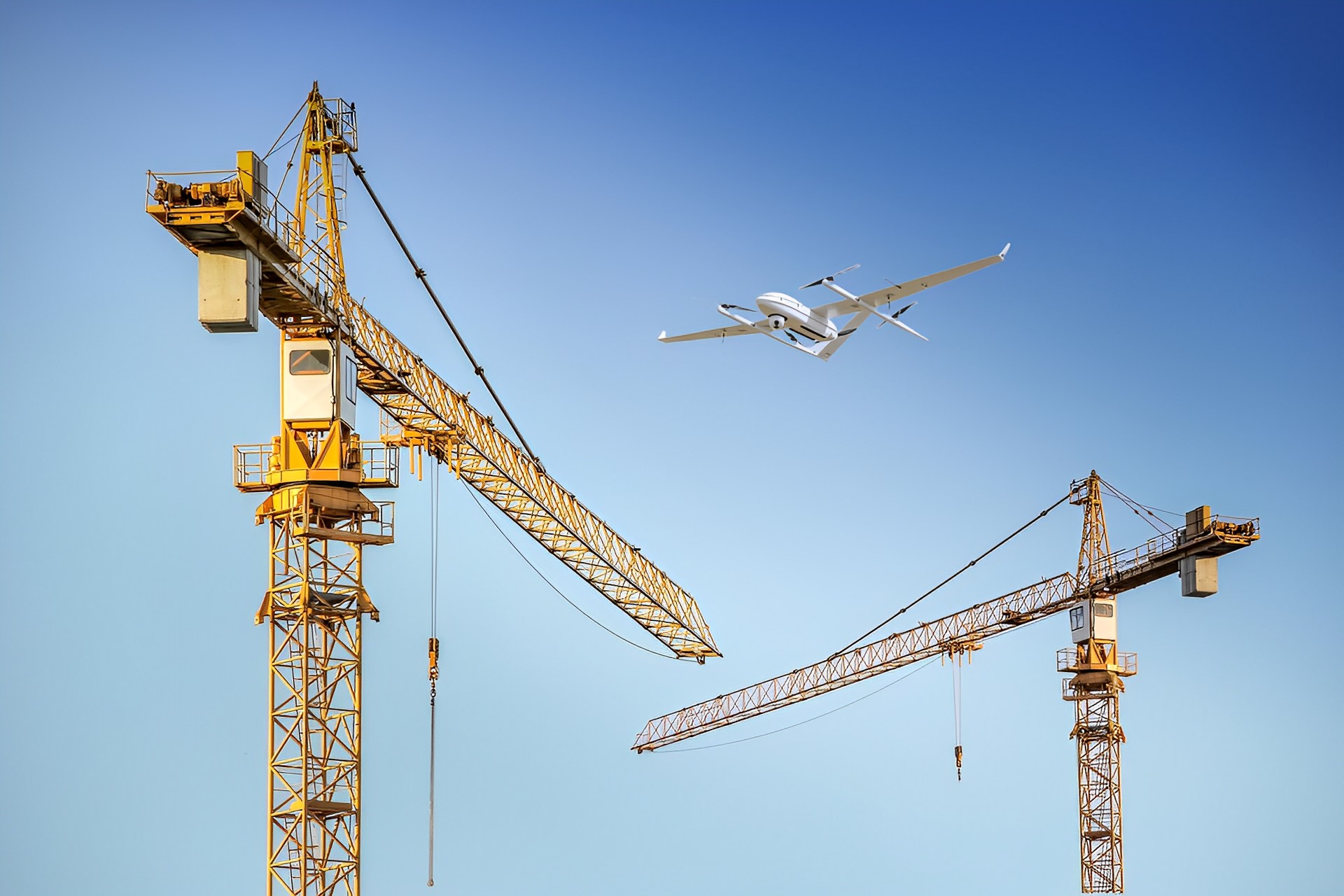
Drones in construction and infrastructure have revolutionized the entire project life cycle, which helps construction companies regularly track the construction progress, streamline communication and decision-making, build detailed maps and 3D models, and keep site workers out of hazardous areas.
DAI-ATLAS
Satellite, IoT sensors, and DAI-UAV VTOL sorties converge in a live map — volumetrics, risk, change, and projection before the rest of the market.
The impact of drones in construction has already transformed the efficiency and accuracy of the industry. However, the list of benefits can be extensive, and here are the main benefits that drones have brought to construction and civil engineering companies.
Drones are a faster and safer alternative to traditional land-based surveying methods in construction projects. They can complete survey work in 60% to 70% less time and eliminate risks to personnel in rugged terrain.

Drones are more affordable than mobilizing a technical inspection team. For instance, when inspecting a tall building with cracks, drones can capture shots inside and outside without the need for a crane or dedicated team.

Previously, construction workers had to climb roofs or use scaffolding for inspections, which was dangerous and limiting. With construction drones, you can ensure safety, inspect the entire site, and monitor in real-time.

Drones enhance construction site communication by up to 65%. Real-time video data enables accurate and efficient information exchange among team members, eliminating communication problems caused by radios and cell phones.
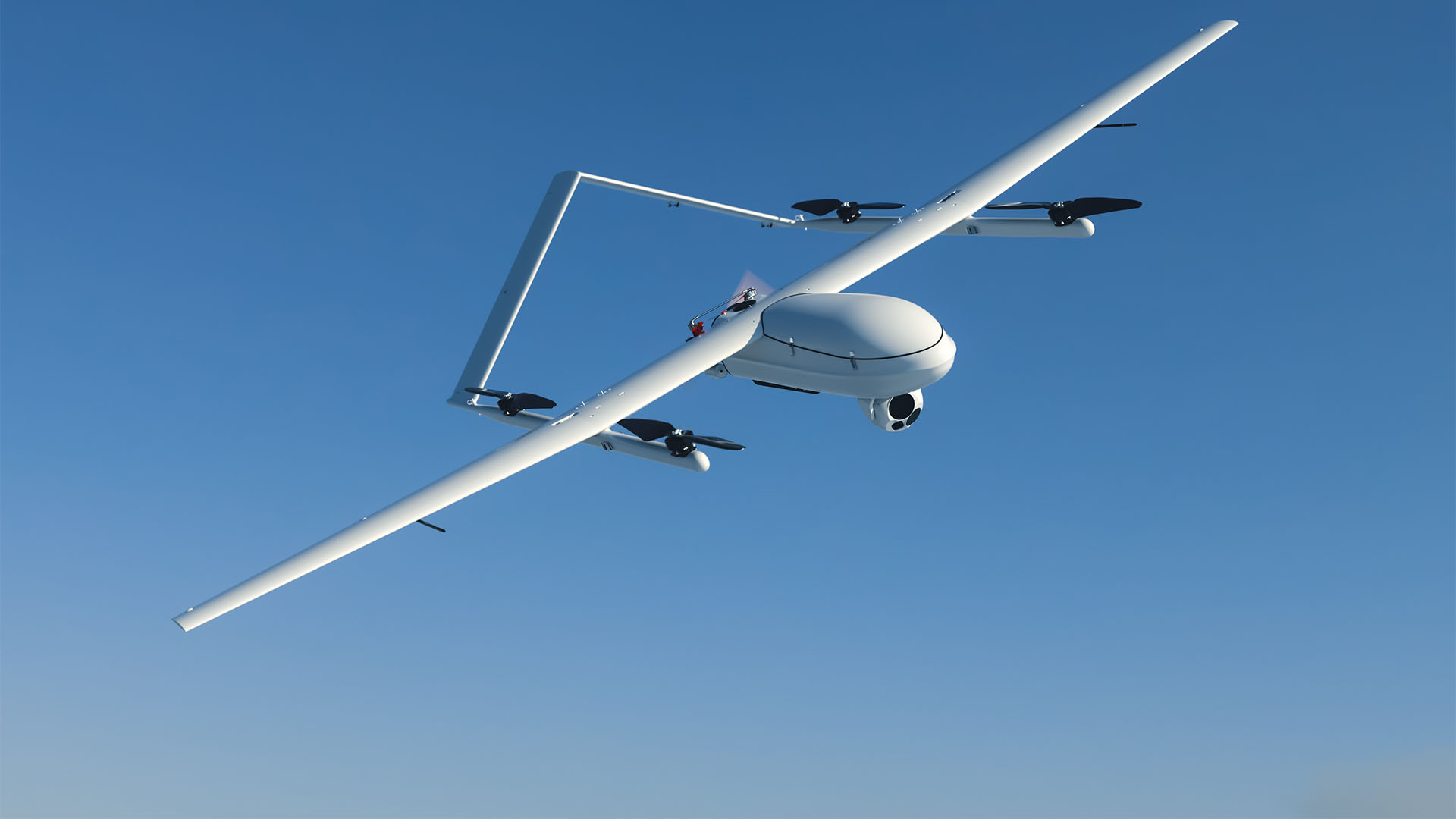
Designed specifically for construction purposes, our drones offer extended flight times, unrivaled stability, effortless operation, and a remarkable payload capacity. Equipped with advanced GPS technology and obstacle avoidance sensors, our drones ensure safe and efficient flights, empowering you to excel in any construction project.
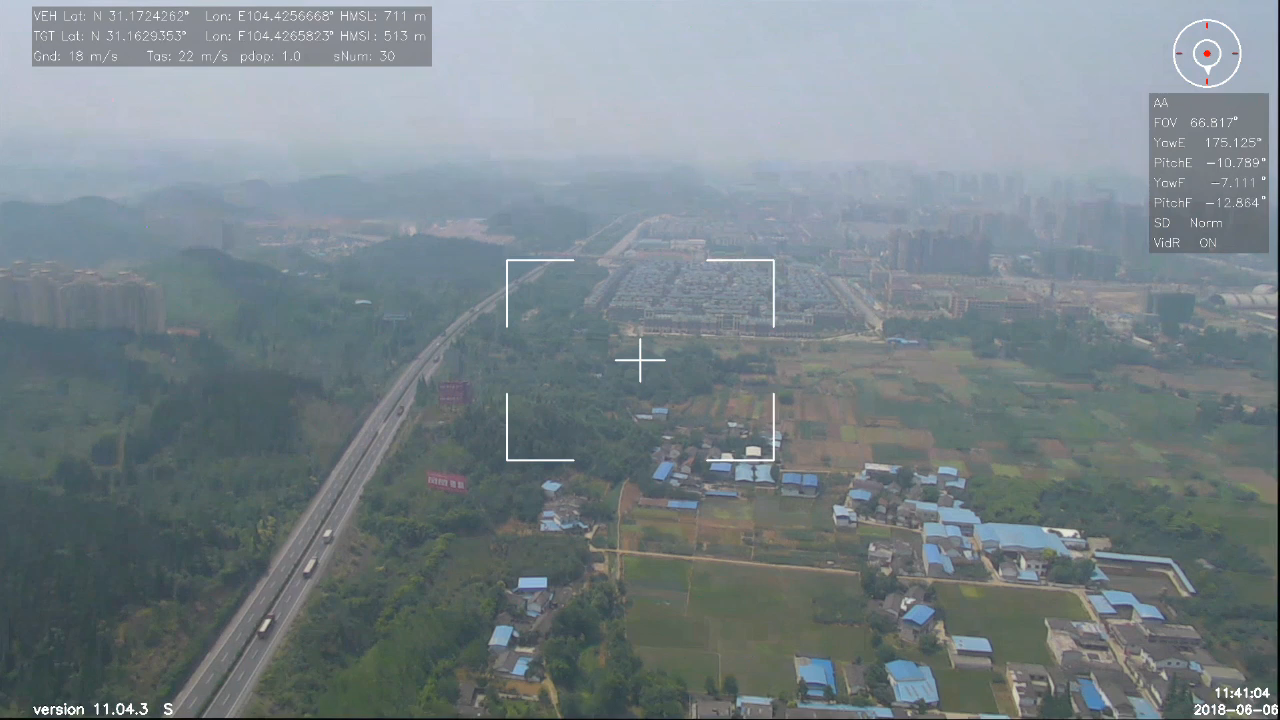
DAI drones capture high-resolution aerial images, videos, and accurate measurements in real-time, providing you with immediate insights into project progress, site conditions, and potential issues. Stay ahead of the curve with real-time data, enabling proactive decision-making and timely problem-solving to keep your construction projects on track.
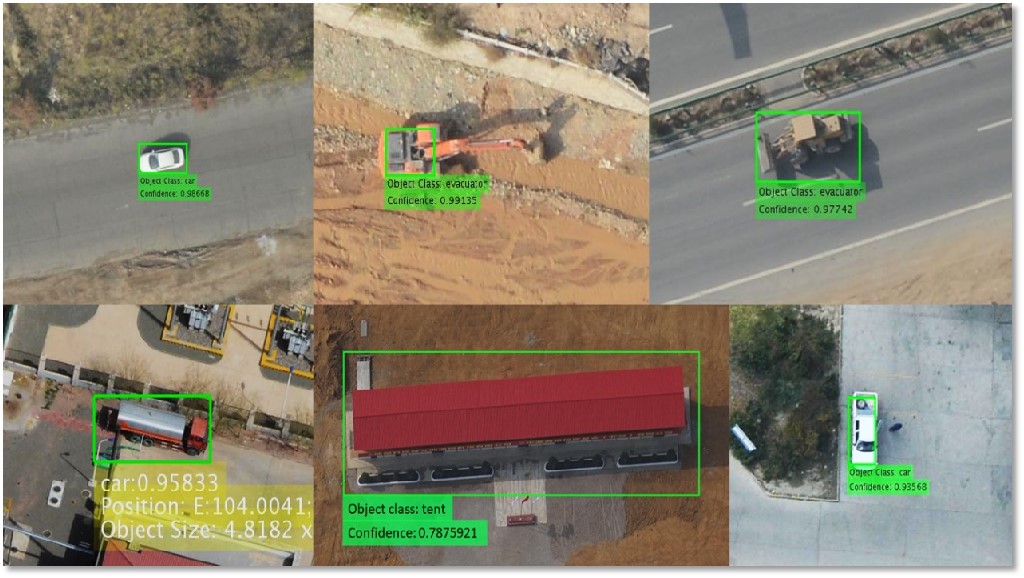
Our drones go beyond mere data collection. By integrating artificial intelligence, they can analyze the captured data, identify patterns, and generate actionable insights. This advanced capability streamlines your construction process, optimizing efficiency and minimizing errors.
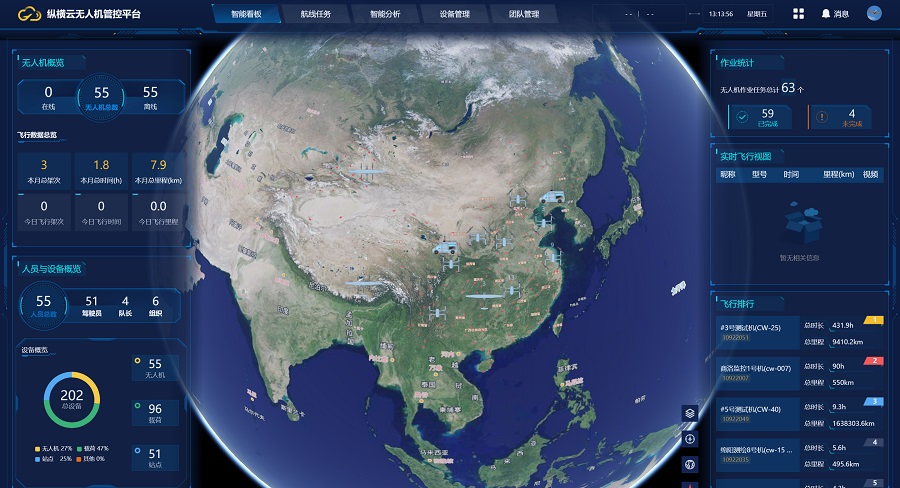
With DAI's cloud-based platform, seamlessly manage and securely store your project data. Access your information anytime, anywhere, and effortlessly collaborate with your team. Leverage our advanced analytics tools to transform raw data into actionable insights, visualize project progress, and generate comprehensive reports. Monitor key performance indicators, identify trends, and make informed decisions with ease.
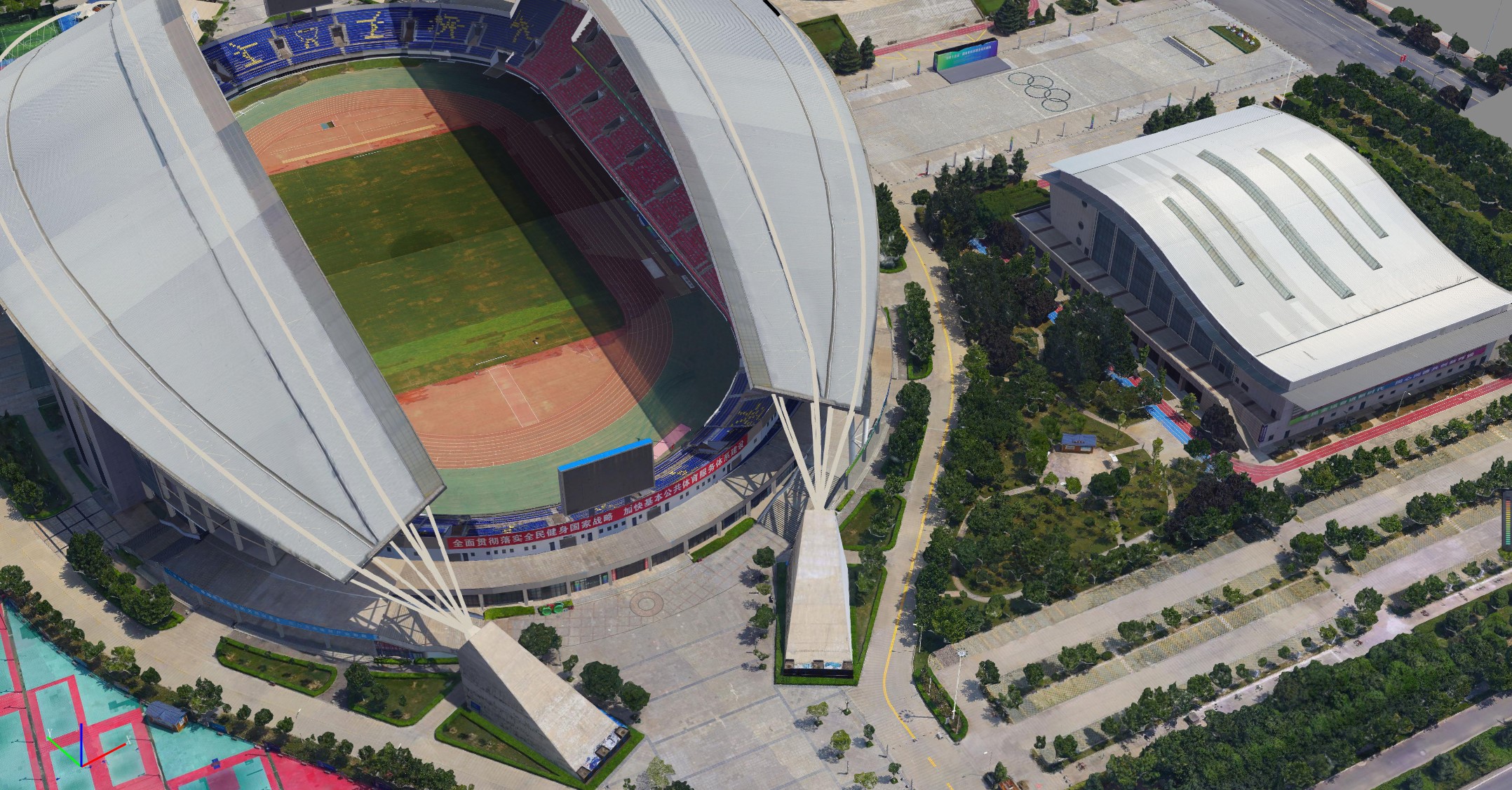
DAI's drones seamlessly integrate with leading construction software, effortlessly importing images, videos, and measurements. This streamlined workflow includes comprehensive 3D modeling, immersive virtual walkthroughs, and accurate site mapping, enhancing design and planning. Say goodbye to complex data transfers and manual processes, and experience improved visualization and decision-making in your construction projects.
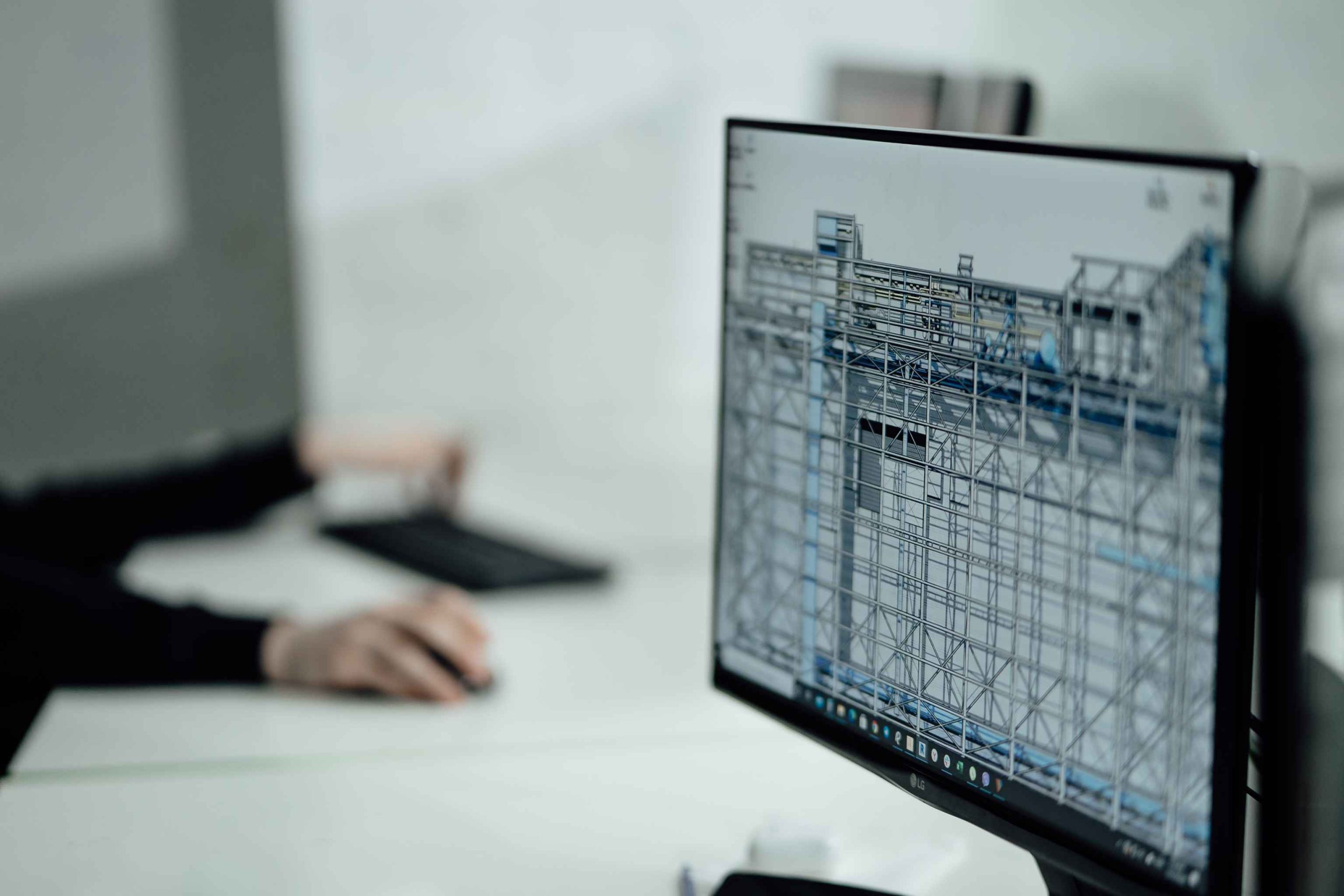
DAI's drone services seamlessly integrate with your current workflows and software stack. Whether you utilize BIM, CAD, or other construction-specific software, our solutions effortlessly sync with your tools, ensuring a smooth and streamlined workflow. With our drone-captured images overlaid onto your models, you can visualize project data and gain a comprehensive understanding of your construction site like never before.
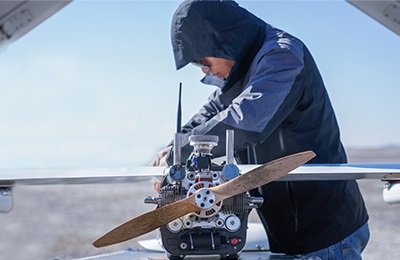
DAI provides comprehensive training and support to ensure a smooth integration of our drone services into your construction operations. Our expert team will guide you through implementation, offer hands-on training, and provide ongoing support to ensure you and your team are proficient in utilizing our advanced solutions.
These aircraft have forward-looking and down-looking obstacle avoidance radar, which helps them scan the environment and detect any obstacle along their router time-time. With a four-rotor level-flying layout and mutually independent power systems, this series of UAVs can activate the rotor blades to make a safe forced landing after a level-flying power failure, reducing the incidence of bombing accidents.
The take-off and landing features of CW Series drones make them perfect for the construction industry, especially in places with gravel, debris, and cliffs. Thanks to the large vertical static elevation during takeoff and landing, these UAVs have better attitude stability compared to other VTOL drones.
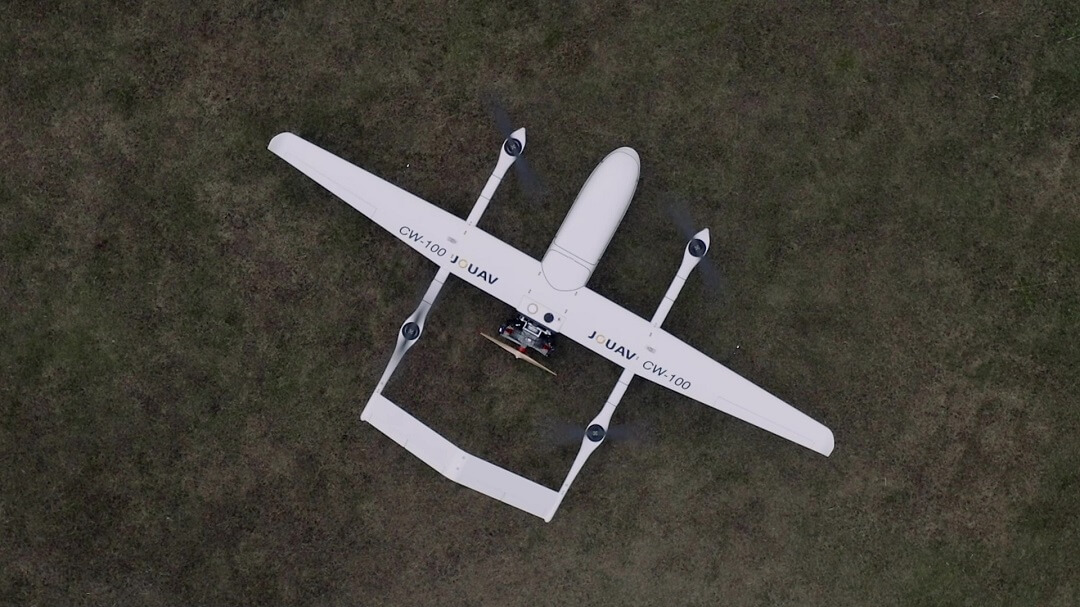
With payload capacity between 7kg and 20kg, the CW Series heavy lift drones are capable of carrying different payloads, such as 61MP full-frame camera, 30x visible and thermal cameras, and 360º LiDAR sensors ranging up to 1845 meters, for most mapping and surveillance requirements.
With advanced engines and power management modules, the CW series drones can last up to 840 minutes and fly at speeds of up to 135km/h. In a single flight, the CW-007 drone can map 2 times more area than a traditional fixed-wing drone and 15 times more than a multi-rotor. As some of the best long range drones available, the CW Series UAVs are well suited for large-area mapping and surveillance, as it has control range options of 50 km, 100 km, and 200 km.
The CW Series drones are all equipped with some kind of GPS correction technology in combination with RTK and PPK modules . These RTK drones compute centimeter-level GPS data and embed the data into each image. Using the 61MP full-frame CA-103 camera, the CW Series drones deliver best-in-class GSD down to 5-8mm per pixel and absolute horizontal accuracy down to 1cm under optimal conditions. When carrying DAI-LiDAR-LR22S , the CW Series LiDAR drones can achieve down to 2cm vertical accuracy without GCPs.
The flight of the DAI drones is fully automated and requires a little training. Flight planning is done through the DAI-FlightSurv and DAI-Eagle, the former for mapping and the latter for drone surveillance . Both are very simple and intuitive applications that can support the management of multiple missions and data post-processing at the same time. These aircraft have forward-looking and down-looking obstacle avoidance radar, which helps them scan the environment and detect any obstacle along their router time-time. With a four-rotor level-flying layout and mutually independent power systems, this series of UAVs can activate the rotor blades to make a safe forced landing after a level-flying power failure, reducing the incidence of bombing accidents.
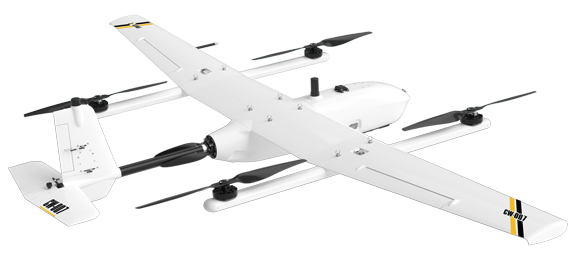
A portable, integrated UAV platform that delivers exceptional reliability to our customers.
Learn More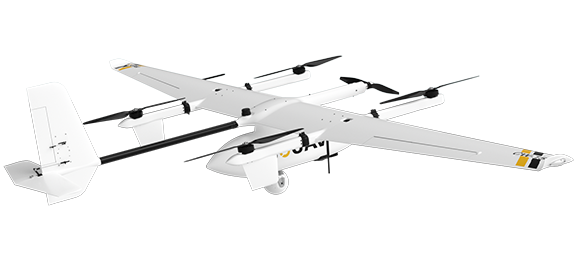
Multi-purpose and battery-operated intelligent VTOL drone
Learn More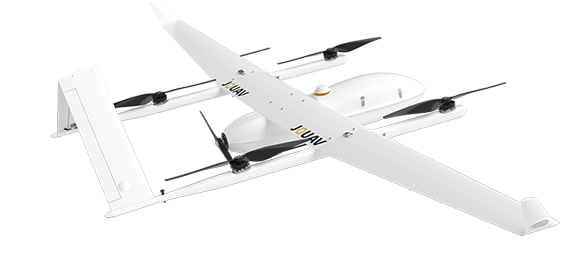
Long Endurance Electric Fixed-wing VTOL Drone
Learn More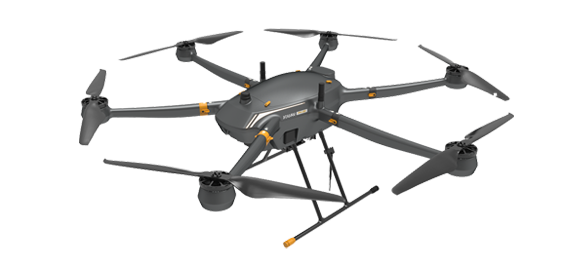
Heavy Payload Multi-Rotor Drone
Learn More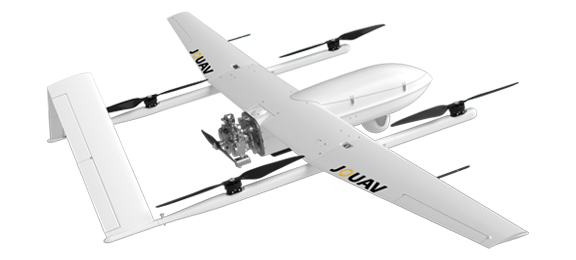
Hybrid Gasoline & Battery Long Flight Time UAV
Learn MoreJocloud is the leading construction drone software, integrating drone data into a cloud-based platform. It enhances collaboration and coordination among construction teams with tools for route planning, data management, document control, issue tracking, and project analysis. It's essential for construction professionals using drones.

Generate 3D intelligent drone routes based on high-precision map information and elevation avoidance for safe and efficient flights on construction sites.

Gain real-time access to flight data and live video of organization-owned drones, enabling unified supervision and coordination among construction teams.

Automatically generate detailed electronic flight reports with key flight information and AI identification details, facilitating documentation and analysis.

Retransmit high-definition video images to the cloud platform, supporting smooth monitoring and remote viewing of construction sites.

Capture video key frames for real-time image stitching and generate high-precision orthomosaic maps, providing situational information for emergency relief command and rapid mapping.

Compare 2D orthophotos on a split screen and share comparison marker content in real time with team members for efficient analysis and collaboration.

Visualize and manage ortho, tilt, point cloud, vector, panorama, and 3D models for intelligent analysis and overlay them on GIS maps, enhancing decision-making.

Jocloud offers a Streaming SDK, allowing seamless integration of UAV data with existing project management platforms. Users can access real-time or recorded UAV data directly within their project management systems.
Different projects and different construction sites require different types of drones to get the job done properly. When it comes to drones, the first thing that comes to mind is quadcopter drones , which are the most common type on the market. However, there are other types of drones that are also being used in the construction industry. Let's have a look:
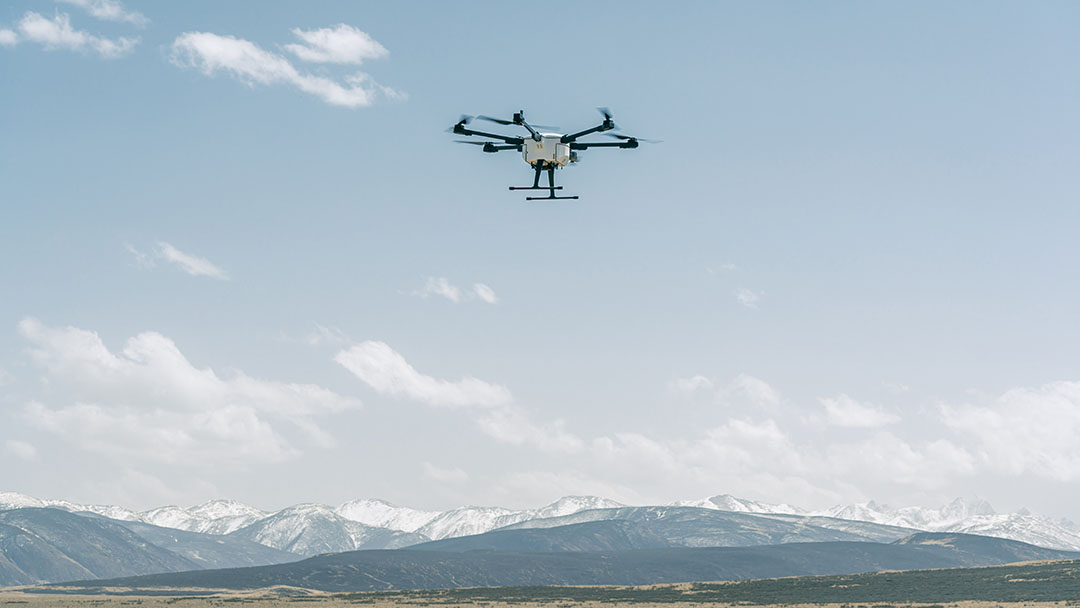
Multi-rotor drones are most commonly used by professionals and hobbyists. They usually have 4-8 rotors and have a flight time of about 30 minutes. Like helicopters, multi-rotors do not require a lot of space to take off and land and can hover in the air, making them ideal for tasks such as inspections and field surveillance. With their compact design, they are generally foldable and easy to store and transport. Multi-rotor drones are very easy to handle, and even inexperienced pilots can learn to fly in just a few minutes. However, this type of drone has very limited flight time, speed, and load capacity, so they are not suitable for large-scale sites and projects with high accuracy requirements.
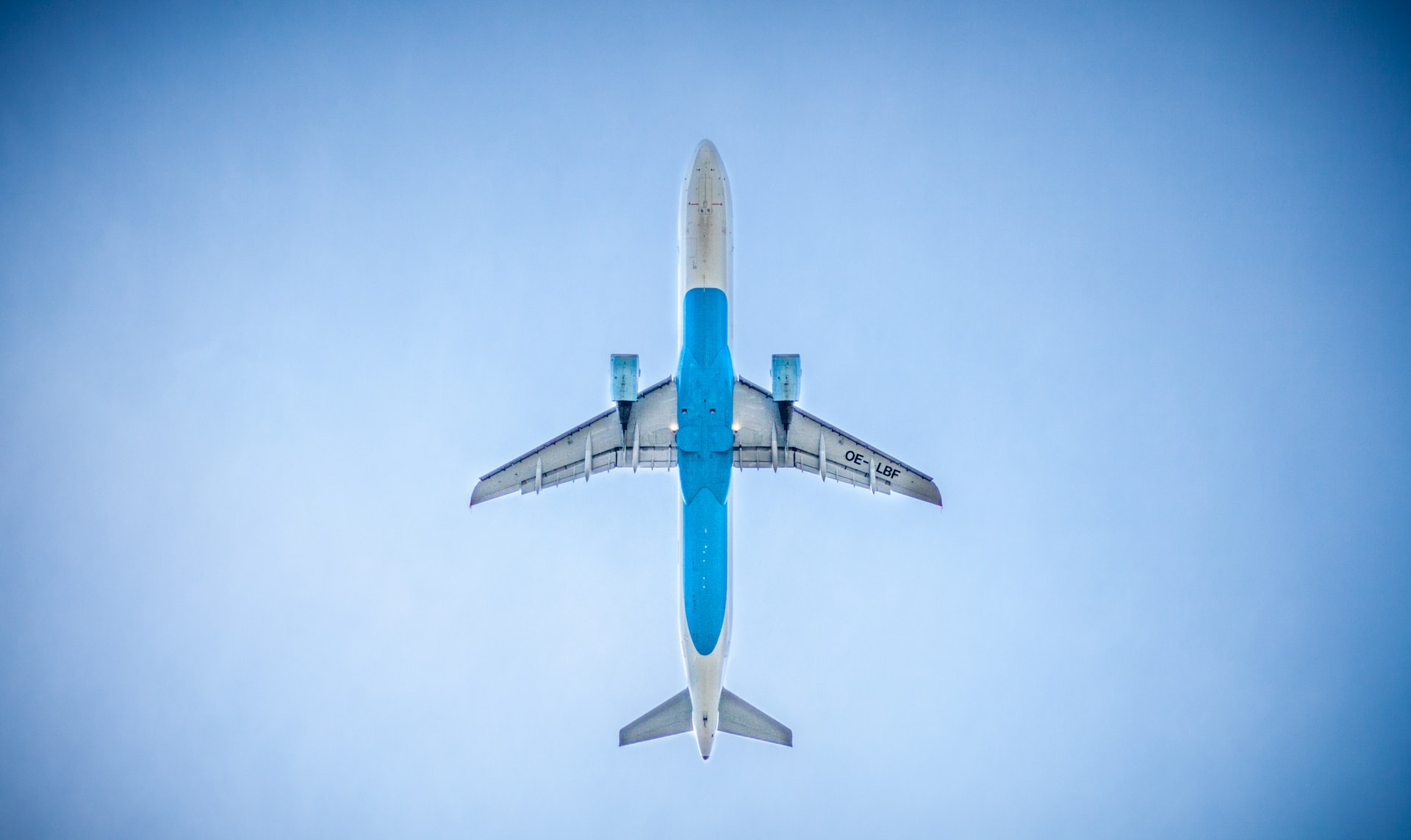
Fixed-wing drones look like airplanes, but they are much larger than multi-rotors. These drones are more stable than multi-rotor drones and can fly in harsh environments. Fixed-wing drones can usually float for hours in the air and fly faster than multi-rotors, enabling them to be commonly used to map large areas of land. Fixed-wing UAVs are not as versatile as multi-rotor drones in the construction industry because they need a long runway to take off and land, which may not be convenient around construction sites. Except for that, fixed-wing drones are more difficult than multi-rotor drones and often require specialized flight training to fly them.
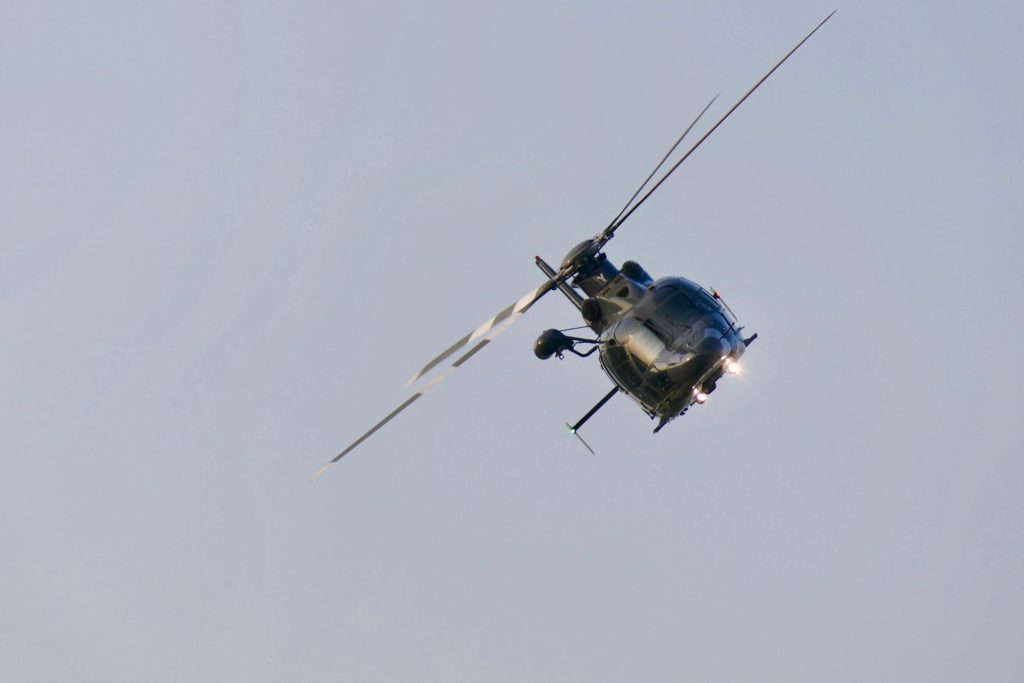
Helicopter drones have one or two rotors with blades whose flight principle is the same as that of a manned helicopter, using rotating rotors to generate lift and thrust. With only a single rotor, helicopter drones use more energy efficiently, fly longer, and are more efficient to fly than multi-rotor drones. The downside to using these drones is that they are difficult to fly because there is only one main rotor and the slightest imbalance can cause a collision with something in the environment.
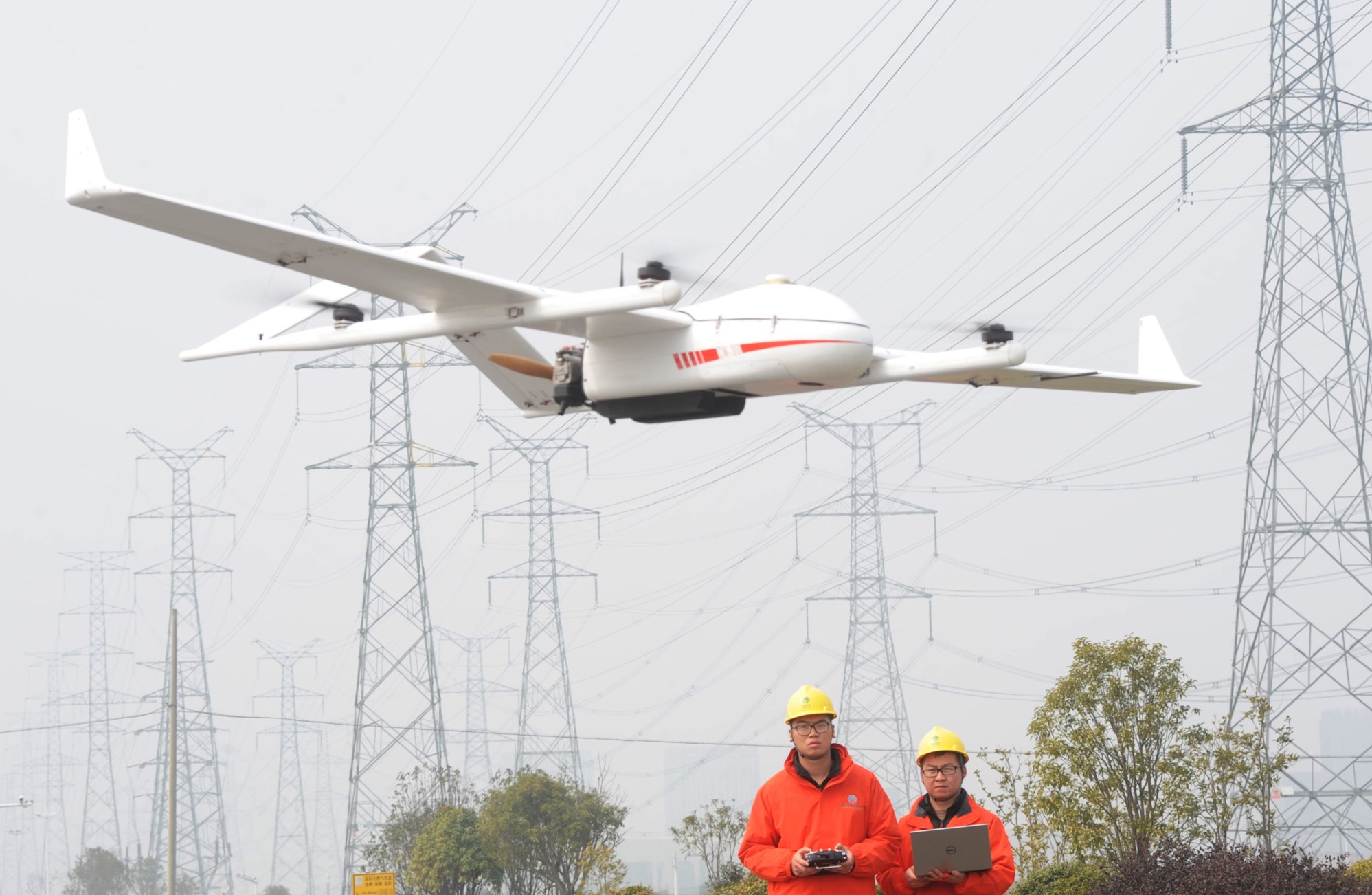
There are also hybrids of fixed-wing and multi-rotor drones on the market, which have the high efficiency and long endurance of fixed-wing drones but can also take off and land vertically like multi-rotor drones. But this VTOL drone model is expensive and hard to fly, requiring more flight training.
Using the data collected during one flight of the construction drone, the post-processing software created the following different deliverables:
Drone photogrammetry takes several orthophotos during the flight and stitched them together in post-processing to create a highly accurate orthomosaic map. Each pixel of this map contains geographic information that helps crews measure the exact distance to the job site.

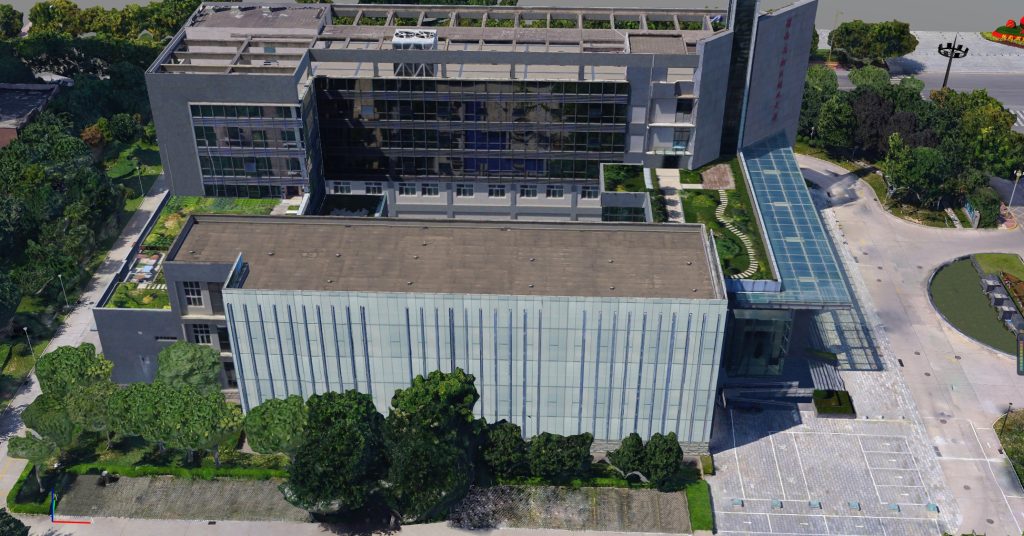
3D Texture models are a "mesh" of several triangular polygons that, along with the texture file, accurately reflect the topography of your job site. These models combine a bird's eye view of ground conditions with accurate positioning data, allowing construction and earthwork teams to examine and measure their sites and plan for the future.
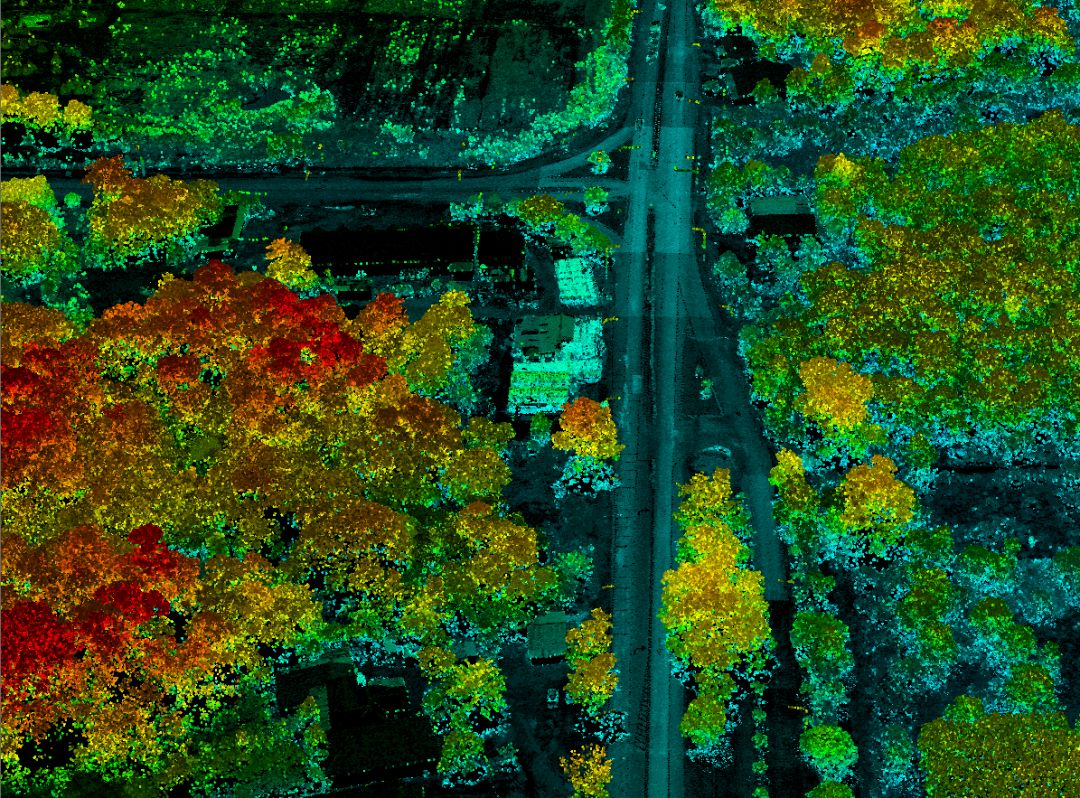
3D point clouds can be generated from drone imagery. Each of its points references a distinct feature on your site, which is accompanied by geospatial coordinates and color information. In construction and civil engineering, point cloud modeling simplifies the measurement process for complex projects that include features such as roads, bridges, and buildings.
Unlike textured models, digital elevation models (DEMs) show only the surface, with no texture data. Using raster datasets to represent the topography of a particular size and color to show differences in elevation, DEMs allow you to visualize the shape of the terrain at your site, aiding in drainage planning, line of sight coverage, foundation soundness, and more.
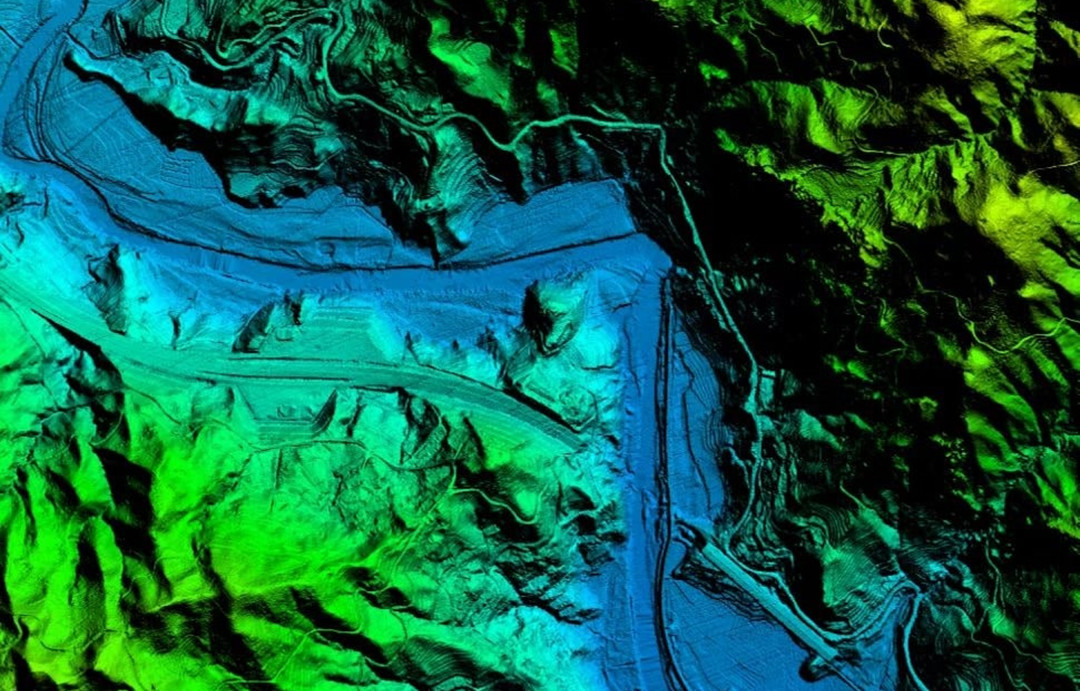
The raw image is the unprocessed original image taken by the drone, which provides more detail and is useful for equipment inspection and analysis.

Thermal imaging uses a spectrum of colors to represent different temperatures, the warmer color the higher temperature. By viewing these videos, operators can spot a range of building defects not visible to the naked eye, providing insight into thermal bridging, water leaks, and defective insulation.
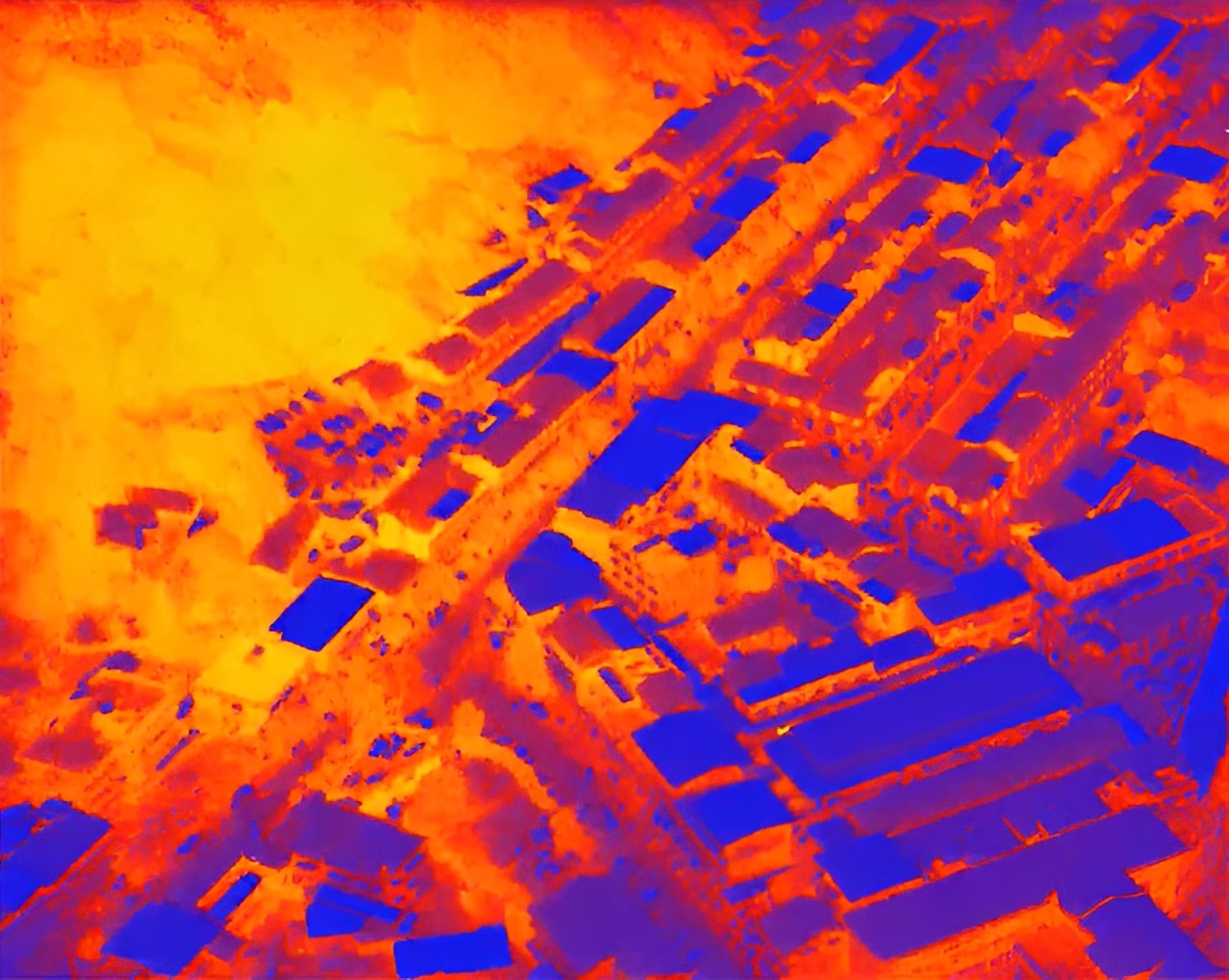
Visible light and infrared videos record everything on the job site, from criminal activities to security issues. By reviewing these images, and annotating them, you visually share these project-building issues with your project team for immediate resolution.
Talk to DAI about VTOL missions, DAI-ATLAS fusion, and fleet integration.
Talk to Sales