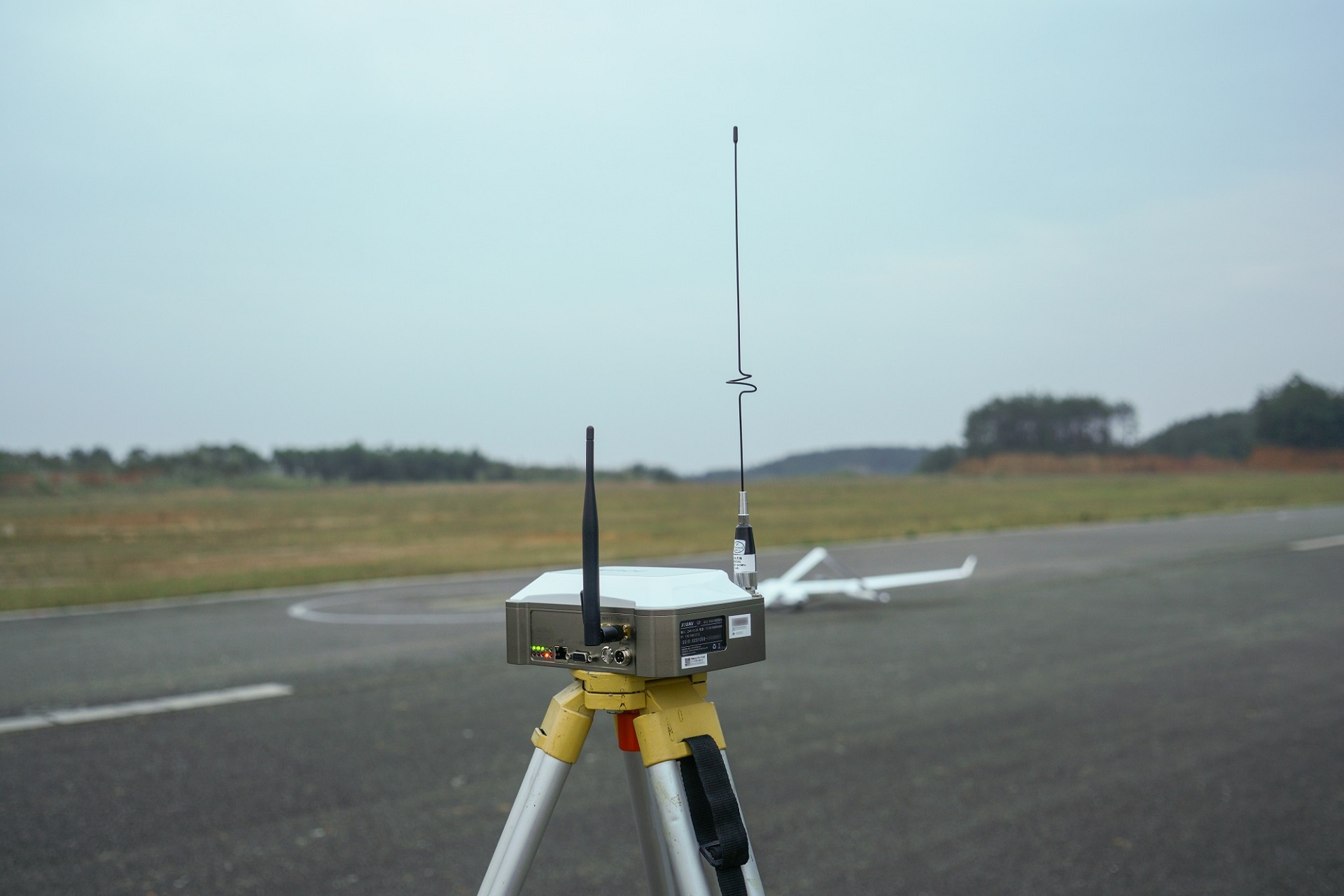
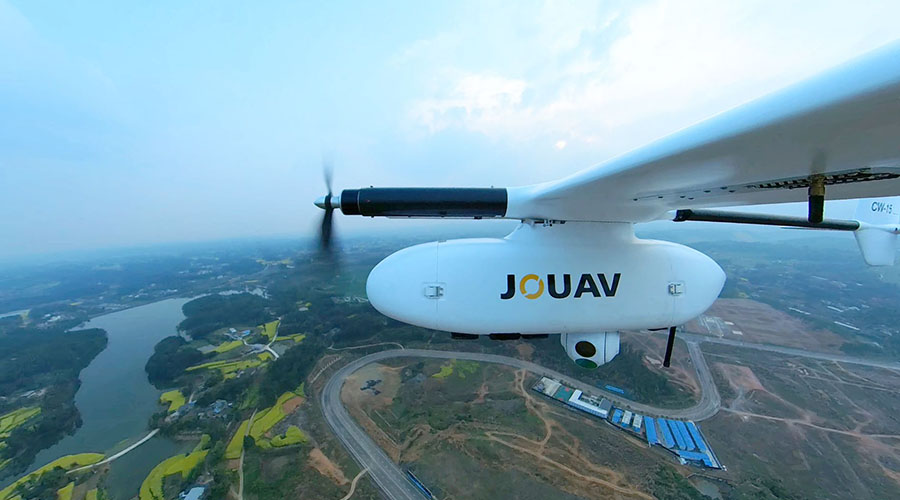
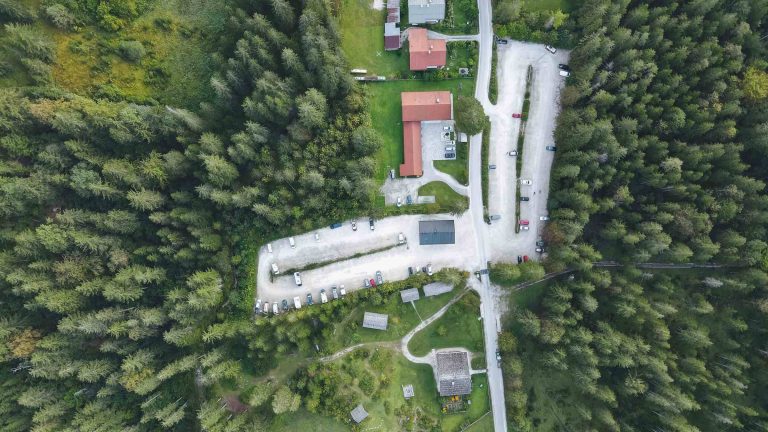
A drone survey is the use of drones or unmanned aerial vehicles (UAVs) equipped with RGB cameras, multispectral cameras, or LiDAR payloads to collect data. And then this data is transmitted to special equipment on the ground near the UAV operator. The end result of drone land surveying is a finished map of detail at a given scale, presented in digital format.
Surveying drones can fly at much lower altitudes than traditional techniques like manned aircraft or satellites, providing high-resolution, high-precision images faster and cheaper, and independent of weather conditions such as cloud cover.
What are the benefits of drone survey?
Even the most novice user knows that drones can be used for photography. The availability of unmanned aerial photography has led to its use in many sectors and produced incredible images. But is it good enough for your next mapping or surveying job? Let's take a look at some of the advantages of using drones for mapping and surveying.
Save time and money
The economic advantage of drone land surveying comes primarily from its low operating costs compared to its main competitors, airplanes, and helicopters, which are up to 10 times more expensive than drone topography. Besides, recent studies show drone surveying is up to five times faster than traditional land-based methods.
Provide high data accuracy
Drones have extremely high accuracy, with aerial mapping reaching centimeter-level accuracy and mapping accuracy generally reaching 1:1000. In addition, aerial mapping also has a wealth of 3D geographic information, which can capture the data of large-scale terrain.
Map inaccessible places safer
Drone topographic survey allows us to obtain extensive and reliable data from inaccessible locations, unsafe steep slopes, or hazardous terrain. This means that surveyors can create a 3D computer model of the object under study and take a series of measurements in the office, without necessarily needing to be in the field or in a hazardous area to obtain data.
What is the best drone for land surveying?
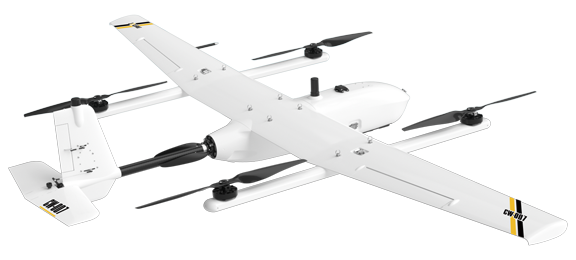
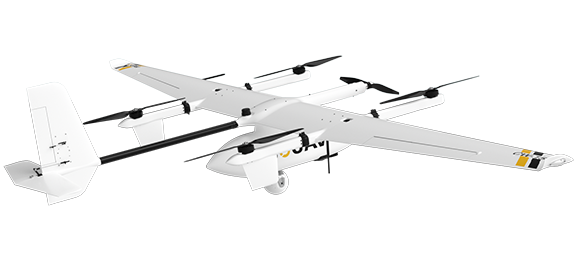
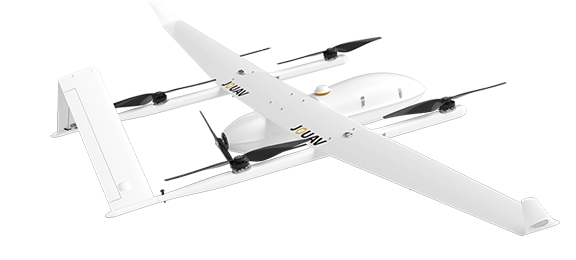
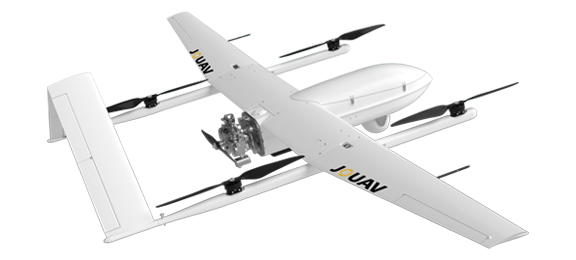
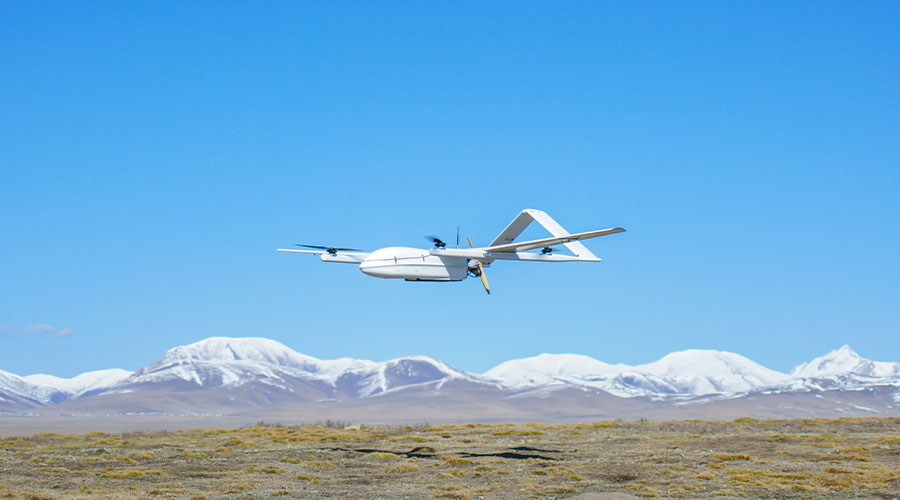
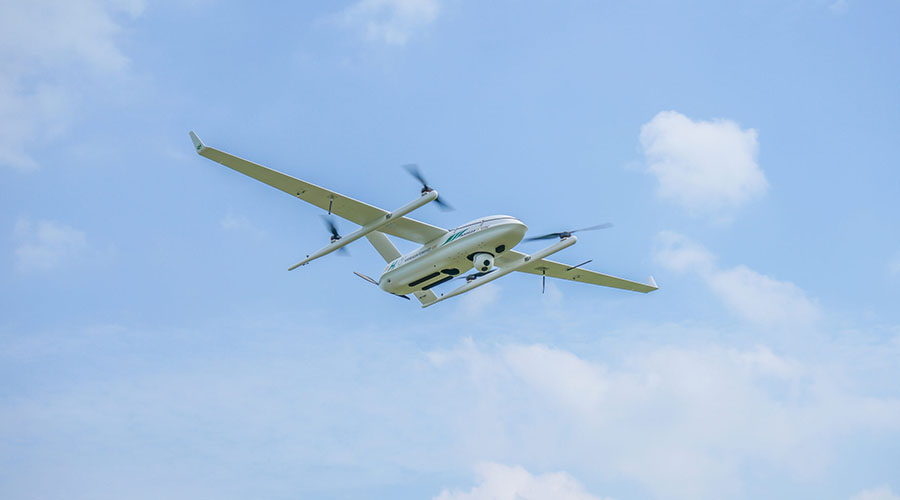
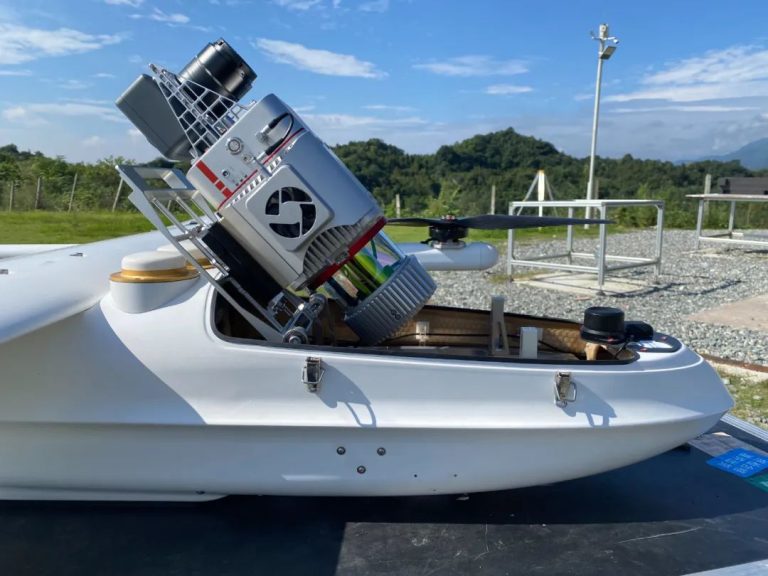
As the best drones for land surveying, DAI CW Series VTOL drones provide a comprehensive drone surveying solution, which has released drones that can carry different functions according to the different needs of users.
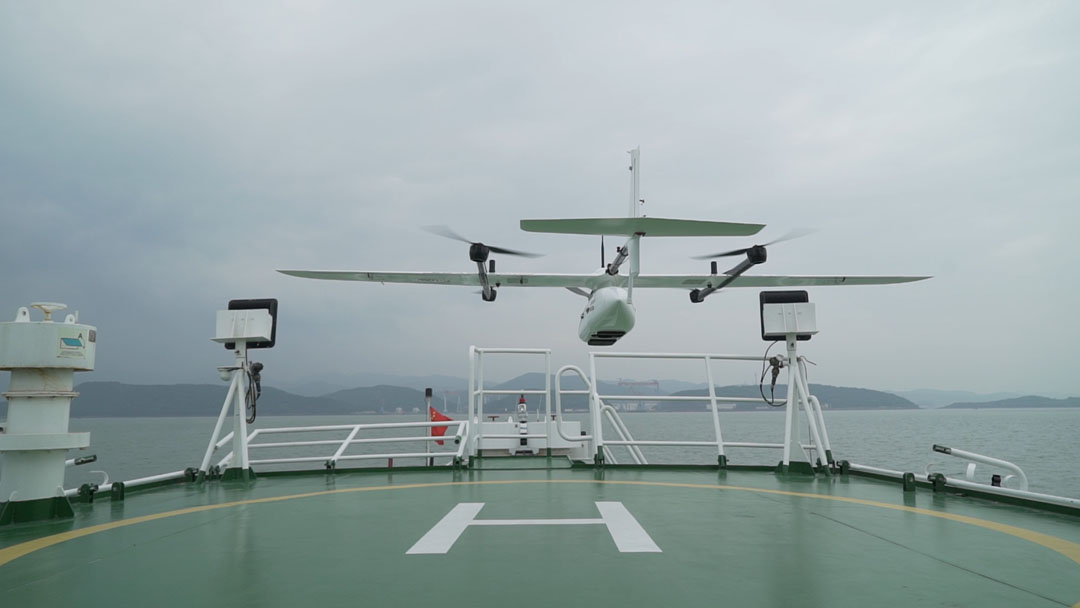
DAI VTOL drones (Vertical Takeoff and Landing) represent a hybrid approach that combines elements of quad-rotor and fixed-wing designs. They take off and land vertically like quadcopters, which means DAI drones can take off and land smoothly in narrow areas such as cliffsides, woods, or mountainous areas. Meanwhile, drones have the advantages of long endurance and fast flight speed of a fixed-wing drone , making them suitable for mapping large areas.
Up to 10 hours endurance/maximum load of 25kg
Through various methods such as aerodynamic optimization, power system optimization, and customized high energy density batteries, the DAI drone with longest flight time is 5 times longer than its competitors and can reach a maximum 10h flight time under heavy load conditions. DAI drones can take orthophoto cameras, multi-cameras, gimbal cameras, hyperspectral cameras , multispectral cameras, atmospheric sensors, aeromagnetic and other mission equipment, and supports secondary development. The heavy lift drone can carry a weight from 0.8 to 25kg .
Down to 1cm (0.4 in) absolute accuracy
The DAI UAV uses both RTK and PPK modes. RTK is primarily used for precise centimeter-level autonomous vertical landings, and PPK is primarily used to output high-precision POS data to ensure a large reduction in image control points. The DAI RTK drone provides best-in-class absolute accuracy with vertical positioning accuracy down to 3 cm and horizontal positioning accuracy down to 1 cm , which allows the DAI UAV from high altitude to fly over and still provide low GSD images.
Flying in harsh environments
Through continuous power system optimization analysis and testing, the DAI UAV can fly efficiently at an altitude of 4,500 meters despite the thinner air. The drone is waterproof, ensuring that the aircraft can fly in light rain and snow. They can safely fly and collect data in winds of up to 12 m/s (28 mph) .
The easiest and autonomous drones to fly
After pressing the take-off button, the drone takes off autonomously on a planned course, captures images, and then lands where it started. The operator does not need to do anything else during this process. DAI drones also support a Terrain Following Mode based on a high-precision digital 3D map. With this feature, they can automatically generate a variable height route based on the measurement area and maintain a consistent ground resolution for better data results.
The safest drone to fly
DAI drones' forward and backward sensors have a detection range of up to 240m and a wide field of view. So you can be sure it will catch all obstacles in its path and avoid them effectively, guaranteeing a safe flight. The downward sensors allow a measurement range of 50m that can be performed to avoid dangerous landing sites.
Below you can learn how to do a land survey with DAI survey drones. You will know how to plan a flight, how to collect aerial images, and how to generate an orthomosaic map.
STEP 1
STEP 1.
STEP 2
STEP 2.
STEP 3
STEP 3.
STEP 4
STEP 4.
STEP 5
STEP 5.
STEP 6
STEP 6.
Real-world case studies of drone mapping and surveying
Survey professionals from all industries are using DAI CW Series drones for better and faster mapping. Below, we've selected a few real-world cases to help you understand how drones are helping to change aerial surveying.
Hainan Survey Firm Achieves 2cm GSD Using Fixed-wing Drones
Hainan is the tropical resort destination known as China’s Hawaii. In June 2020, the Chinese government announced a plan to transform the island province of Hainan into the world’s largest
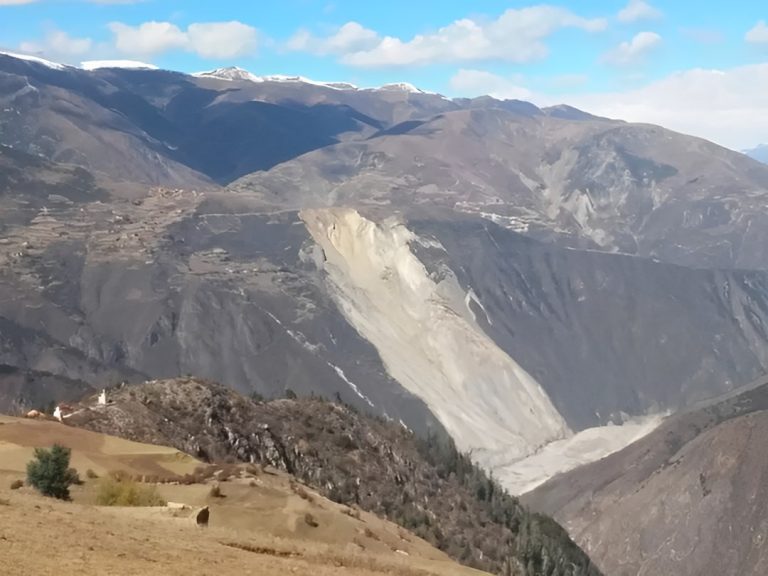
Drones Improve Landslide Risk Management in the Jinsha River
The Jinsha River, as the upper reaches of the Yangtze River, flows through four provinces including Qinghai, Tibet, Sichuan, and Yunnan in western China. On Oct. 11, 2018, a large-scale landslide occu
Drone Magnetic Survey for Mineral Exploration in Gansu
Aeromagnetic surveys are always a challenging task. They have traditionally involved the use of manned aircraft with a variety of heavy and expensive equipment in inhospitable and dangerous areas. UA
VTOL Drones Help Guangdong Power Grid Improve Inspection Efficiency 10 Times
Guangdong Power Grid Company invests in, constructs, and operates power grids in the southern provinces of Guangdong. This company manages 19 municipal power supply bureaus, a multitude of production
Drones Help Collect Accurate Data on China's Third National Land Survey
China launched the third national land survey on Oct. 9, 2017. The purpose of the national survey is to thoroughly check the status of land use, collect accurate land data, and improve the mechanism o
3D Point Clouds from CW-25E Help Improve Forest Management
The Yunnan Bureau of Nonferrous Geology used CW-25E to collect laser point cloud and orthophoto data of 950km² of forest in Yunnan Province, China, in just 8 hours. The captured 3D point cloud data he
Many industries require surveyors to provide maps of land areas. From determining the overall grade of an area to creating detailed maps of each square foot, drone mapping makes the surveyor's job easier, faster, and safer. Among the many industries that use drones for GIS surveying, some of the most important include:
Topographic Surveying
Drones greatly reduce the human cost of topographic surveys, making them more efficient and accurate. Survey drones can produce high-resolution orthophotos and detailed 3D models. Even in complex or difficult-to-access environments, they can still produce high-precision maps quickly. Surveyors can use these maps, combined with expertise, to produce extremely accurate maps for their clients.
Road construction surveying
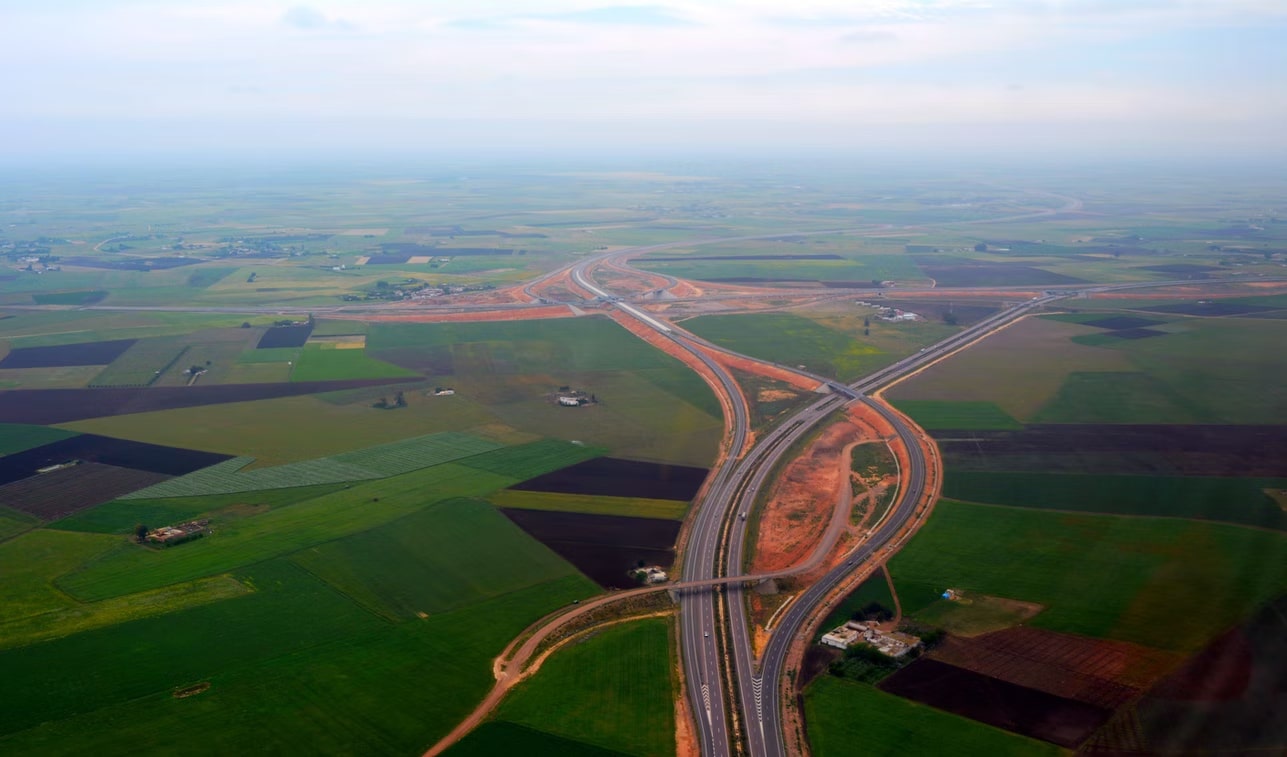
A drone in construction helps councils, transport agencies, and civil engineering companies create accurate, large-area linear maps quickly and accurately. By carrying LiDAR, it can measure earthwork and soil precisely.
Dam surveying
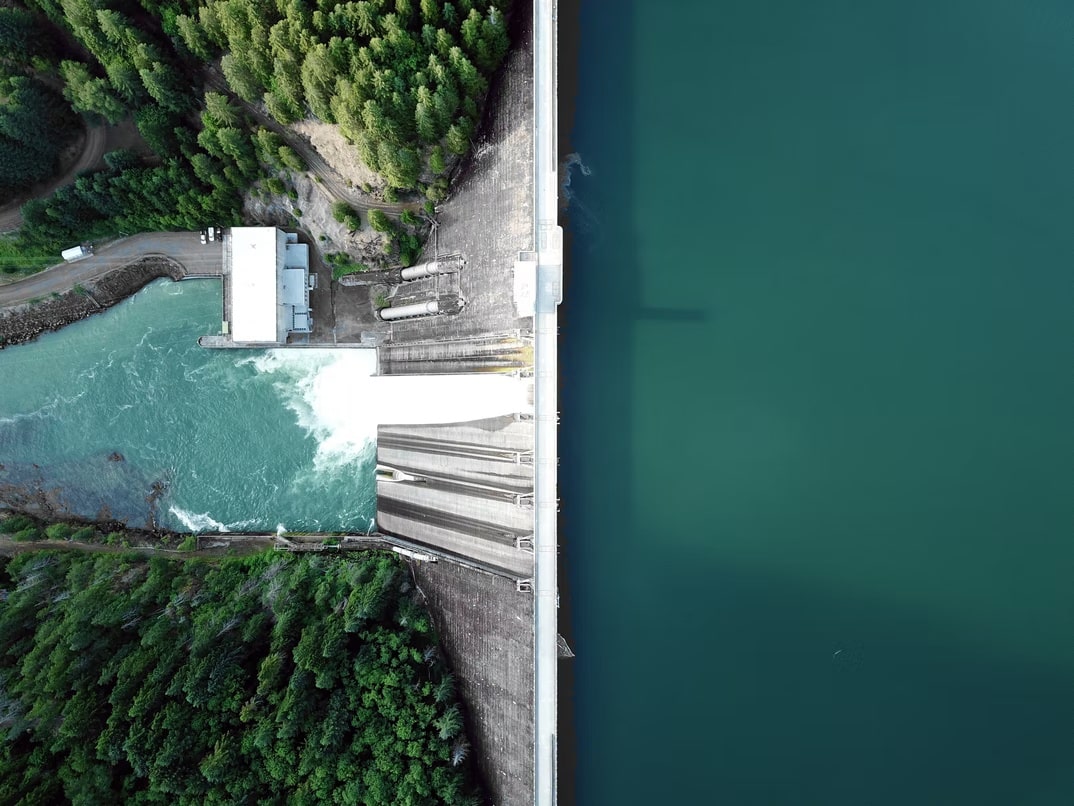
The measurement of dams and other large structures can be a challenging task due to varying static water levels and hard-to-reach areas. Combining advanced sensor equipment, flexible communication systems, and compact designs, UAVs can be successfully applied to dam surveys and visual assessments of large structures and hard-to-reach areas.
Urban planning
Drone for a smart city is being tested and deployed to rapidly collect, aggregate, analyze and provide highly accurate topographic maps of urban areas, the foundation of a smart city. This data facilitates applications that improve operations, engage residents and support communities.
Forestry management & monitoring
The sheer size of natural forest lands makes forest management and monitoring very labor-intensive, resulting in time-consuming, tedious, and often dangerous work for the staff. A LiDAR drone is equipped with LiDAR and imaging sensors to accurately reproduce the forestry environment in 3D format (e.g. photogrammetry and point clouds). Through powerful analysis software, inspectors can extract metrics such as tree height, diameter, volume, and number.
Geological hazard monitoring
In the event of a geological disaster, technical workers can use drone mapping technology to take panoramic photos of the geological disaster area in the shortest possible time, and image into the system to achieve 3D visualization, greatly reducing the difficulty of rescue.
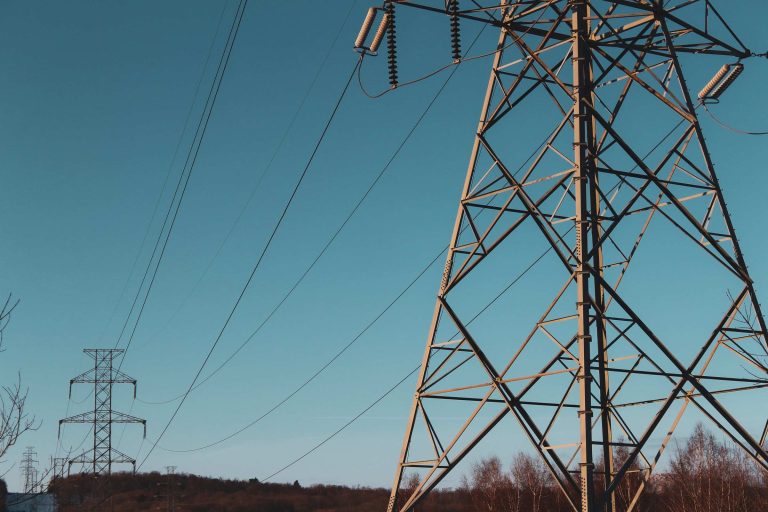
Power grid inspection
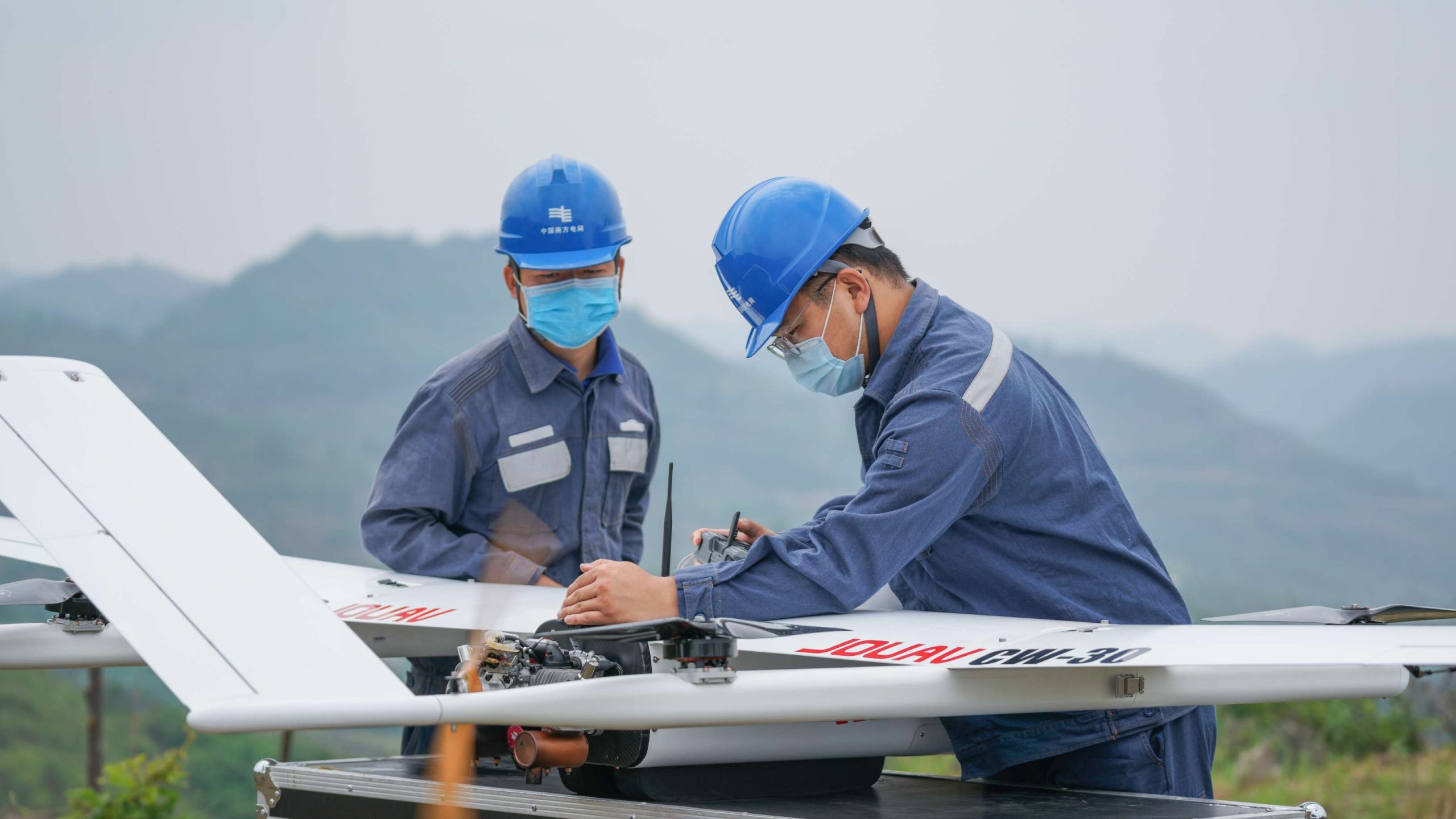
Drones can be used to inspect power lines and power towers for lightning strikes, rust/corrosion, and damaged bolts. The power line inspection solution provides detailed and accurate data on all parts of the grid, automating inspection, enabling timely repairs, and reducing downtime.
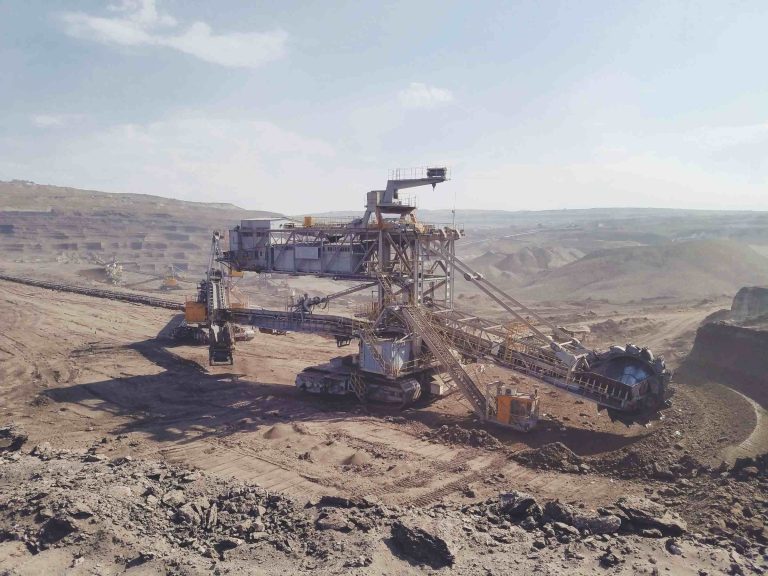
Mining mapping
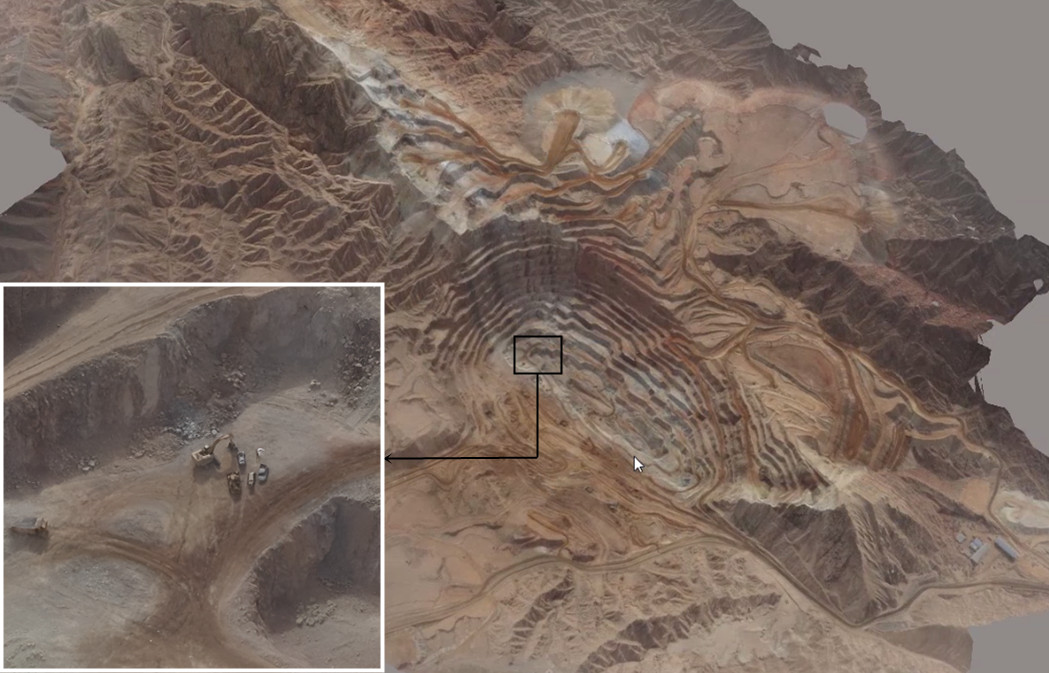
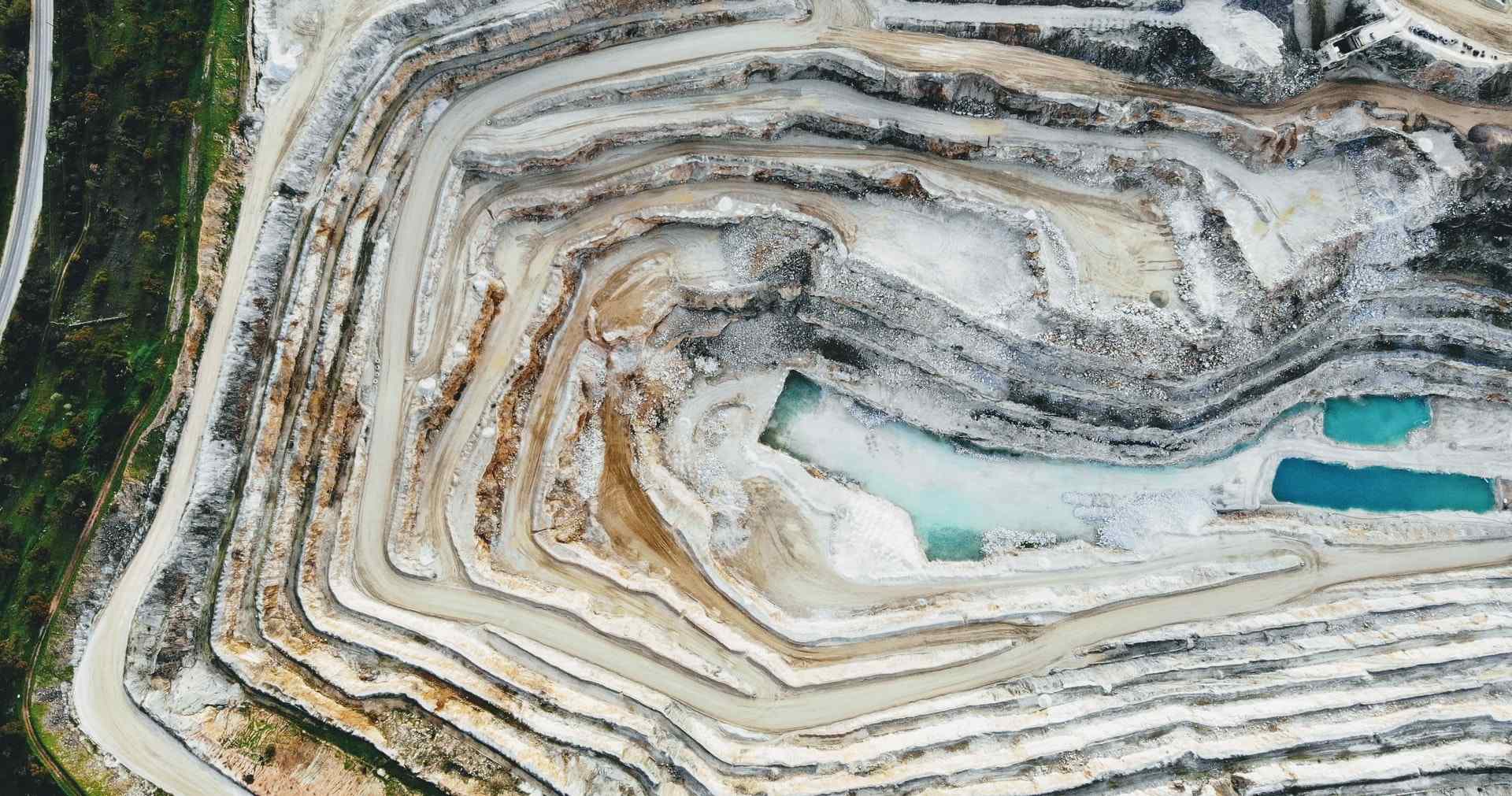
Drones in mining enable professionals to obtain specific aerial data on mining sites to improve productivity, planning, safety, inventory management, and more. In the mining industry, drone mining surveys include drones equipped with RGB cameras that take photos of the site from different angles.
What kinds of deliverables can you expect with drone surveying?
A drone image that has been corrected for lens distortion, camera tilt, perspective, and topographic relief (i.e., elevation changes on the Earth's surface) and stitched together in post-processing to create a large map-quality image with a high level of detail and resolution.
The accuracy of drone surveying depends on the performance of the UAV, the quality of the camera, weather factors, flight altitude, etc.
What are the limitations of drone surveys?
Generally, drone maps produced using quality UAV equipment, careful flight planning, commercial-grade GPS ground control points, and commercial-grade processing software have the potential to be accurate to about 2-3 cm horizontally and 5-6 cm vertically.
How does drone mapping work?
Commercial drones can be a very useful tool for surveying projects in any industry, but they are not without any drawbacks. There are some limitations and potential complications to using drones for aerial surveying.
What is the difference between LiDAR and photogrammetry?
Like satellite imagery, drones survey photos taken from the air or from a controlled altitude. Equipped with cameras of different capabilities, drones can produce high-resolution images.
What are ground control points?
When taking photos, the operator must check the maintenance and calibration of the drone. The drone mapping software then analyzes the photos taken by the drone, aligns and calibrates them, and creates a 3D model based on these photos.
What are PPK and RTK in the survey?
In addition to photogrammetry, drones can carry LiDAR sensors to measure distances and object heights, allowing for more accurate surveys than satellite surveys.
How to measure the location of drones in a drone survey?
Nowadays, survey drones can carry both LiDAR sensors and photogrammetry, which one should we choose?
What is drone mapping software?
This depends entirely on the specific use. In the field of forestry mapping, LiDAR is a significant advantage. Drone photogrammetry can only produce high vertical accuracy if the site is sparsely vegetated, while LiDAR can map denser vegetation and large areas of trees. But when it comes to the broader surveying needs of the construction, mining, and aggregates industries, photogrammetry is a more affordable solution with good accuracy and ease of use for most teams.
Which software for drone surveys?
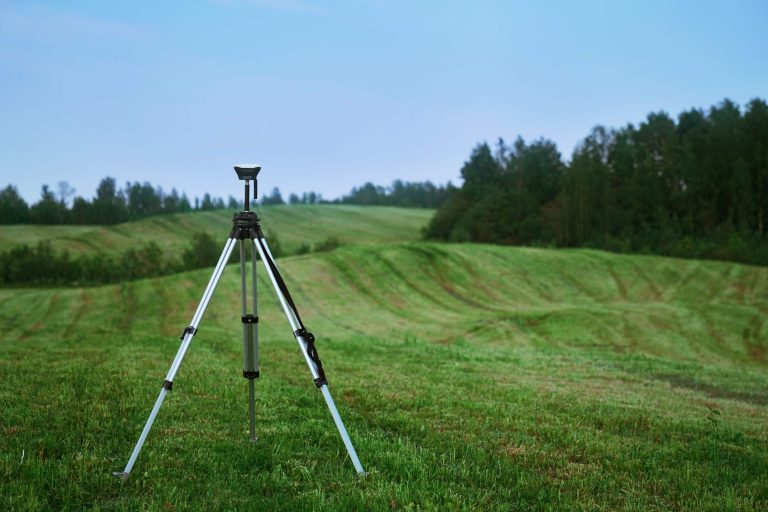
In aerial mapping, ground control points (GCPs) are points on the ground with known coordinates that are placed on the ground inside the UAV survey boundary . They are used to help UAV mapping software accurately locate your map with the real world around it.
How much does a drone survey cost?
Post-processing kinematics (PPK) is a GPS correction technique that corrects position data after it has been collected and uploaded. Real-Time Kinematics (RTK) is another GPS correction technique similar to PPK, but it corrects the position data in real-time as the UAV measures and captures images of the field.
How much does LiDAR charge for mapping?
The position of the drone in flight can be measured by ground control points (GCP), real-time kinematics (RTK), or post-processing kinematics (PPK).
Talk to DAI about VTOL missions, DAI-ATLAS fusion, and fleet integration.